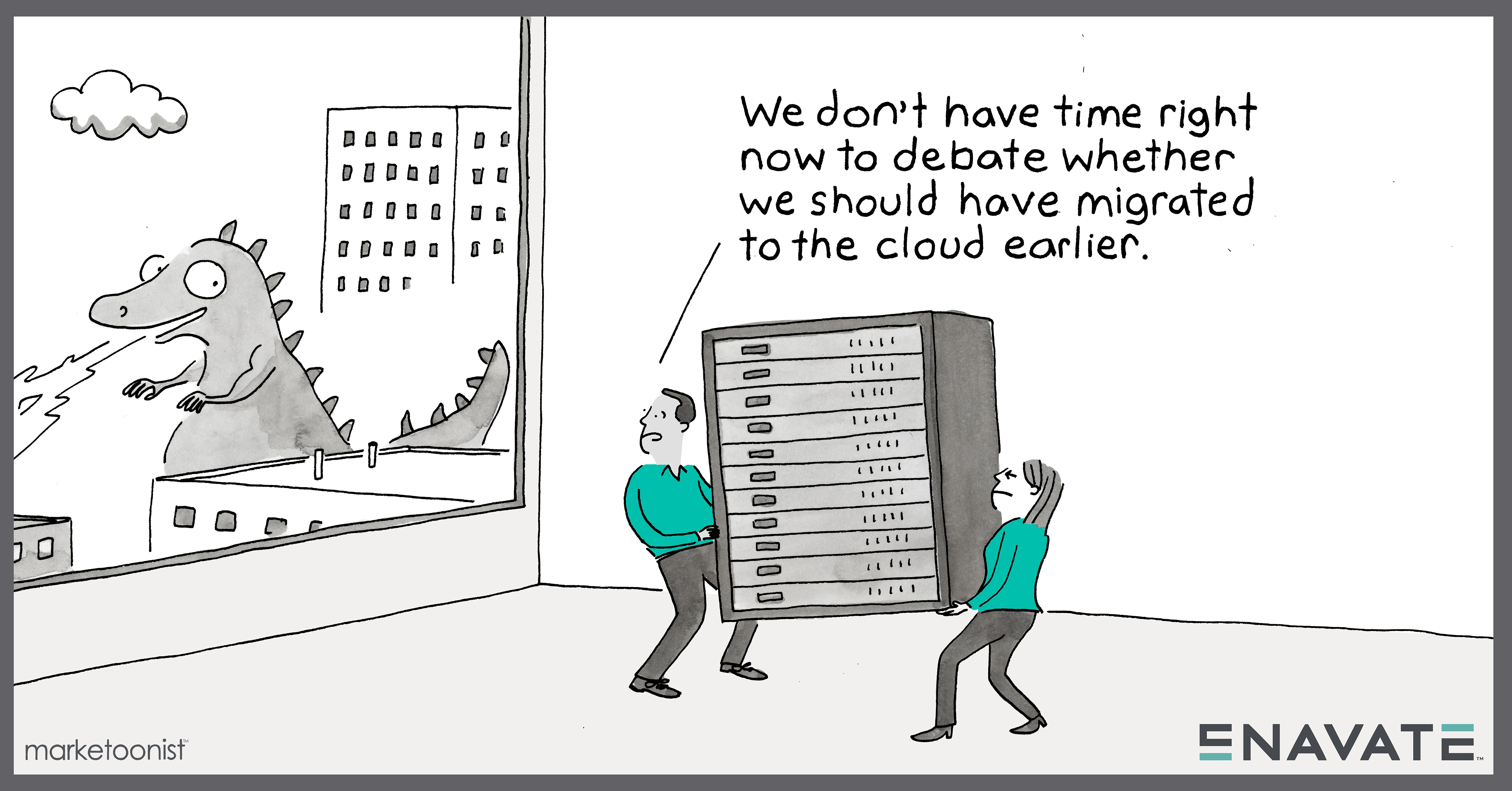
If you need to migrate to the Cloud but you’re waiting to decide and hoping you can migrate later, that’s not a Cloud migration strategy. That’s a hope strategy and it’s delaying the inevitable.
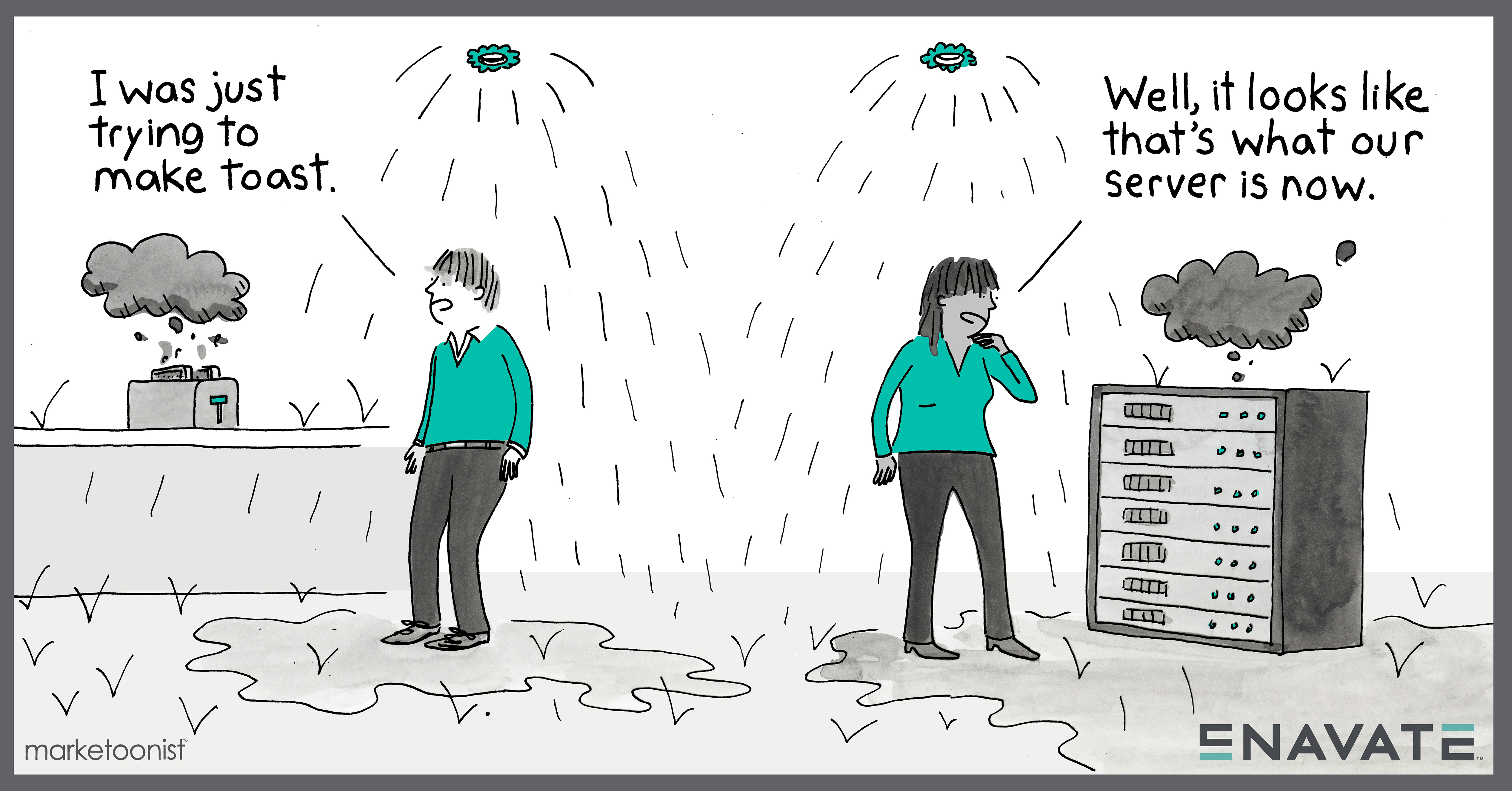
Hope is not a strategy. Neither is an expensive generator, as two companies learned the hard way.
Throughout 2020 and even into 2021, businesses spent a lot of time and effort reacting to new demands and challenges thrust upon them. Transitioning their workforces to remote environments, enabling remote collaboration among team members, and offering virtual and remote services for customers were ways organizations adjusted.
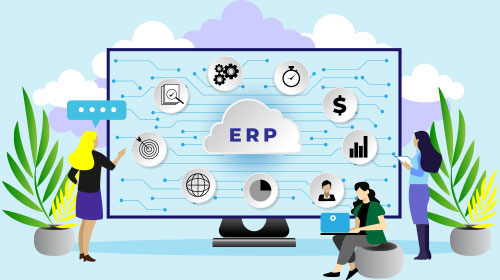
A successfully managed ERP in the Cloud is comprised of three areas: the scalable Cloud platform itself, support for your applications and processes that tie-in to your business needs.
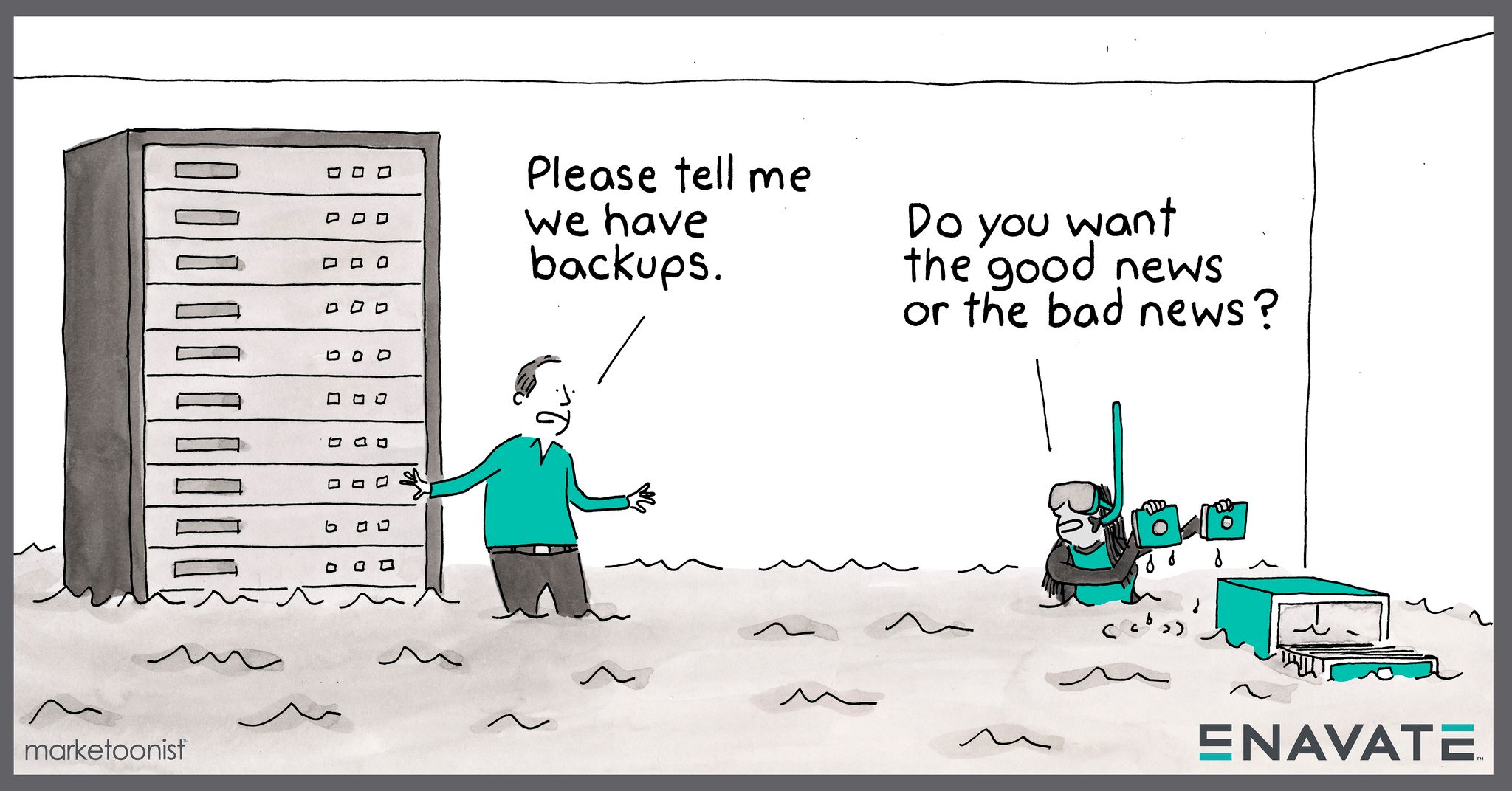
Your business operations may be at risk if your data and applications live in on-site servers.
There is a mix of feelings that come with migrating your technology to the Cloud. As Ryan Grant describes it, “for organizations that have used on-premises solutions, there is some fear because they have always found comfort in their ’blinking box in the basement’ that they’ve had forever. There’s a lot of data there and you’re used to how you’ve always done it.”
When we help a customer transform, we think beyond just selecting and implementing a technology solution to solve a problem.
Leverage your technology systems to optimize your work, remain relevant in the marketplace, proactively serve your customers and reduce stress.
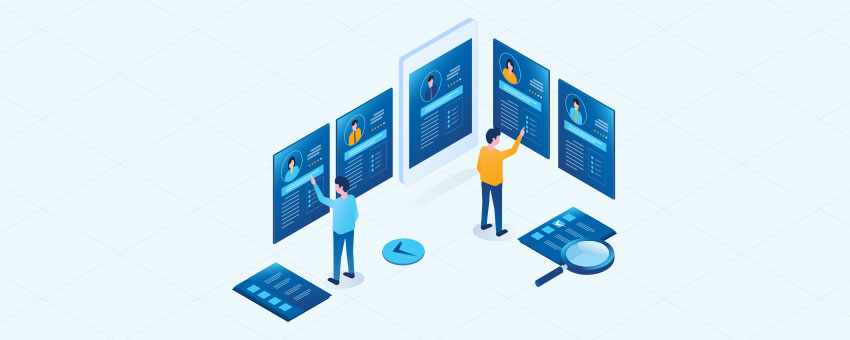
While moving to cloud-based HR and payroll offers significant advantages, bringing too much baggage will make the process more complex and less efficient. Follow these steps to ensure you get the most from the cloud with your HR and payroll functions.

Looking for more
specific assistance?

Our team can get into the specifics of your environment.
No prep work required.